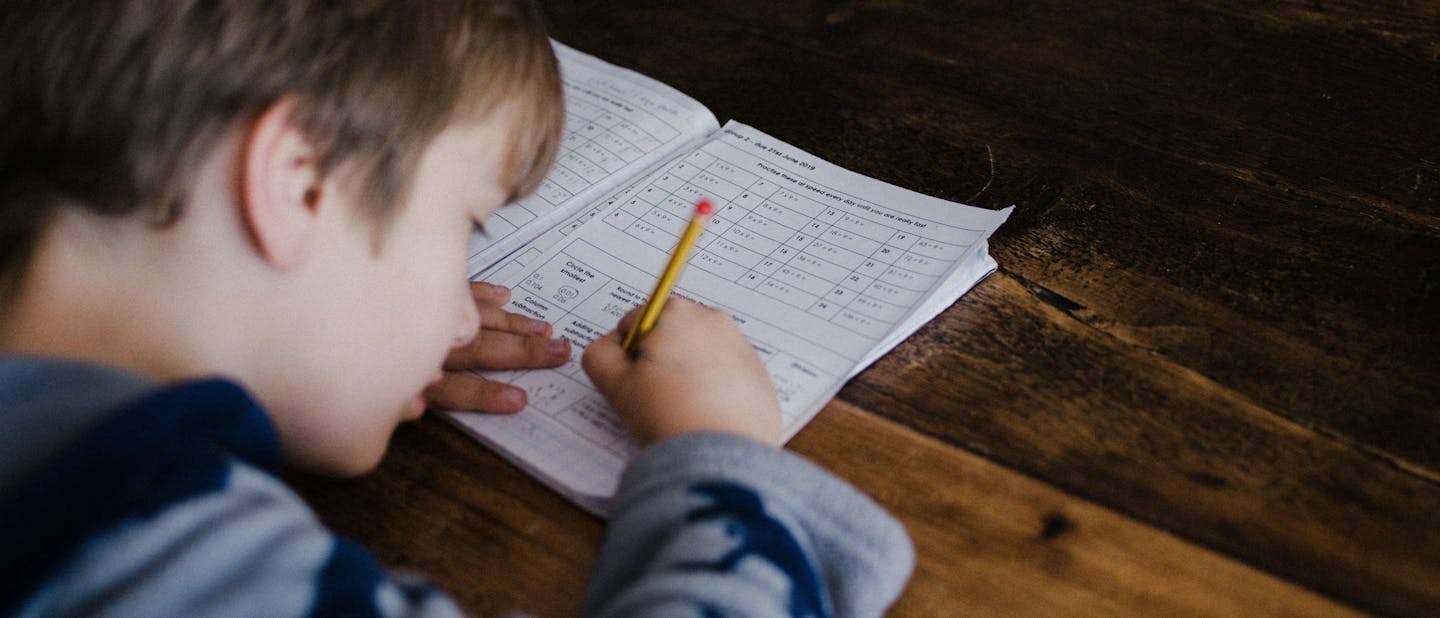
I often talk about this with children when they come to me due to learning difficulties or poor grades. I ask them whether they think teachers give homework because they have nothing else to do, or whether there is a more meaningful reason. The students quickly realize that the second answer is correct.
Then we explore this “more meaningful reason” in a bit more detail. They say it is because of repetition. That is true. Repetition is a way of fighting forgetting. I ask them whether they know when forgetting happens. They usually answer that it happens when people are old or tired.
The correct answer is: all the time. Forgetting is constantly happening—this is how our brains prevent “overheating,” otherwise we would have to store every single image, sound, feeling, etc., in long-term memory. We know very well that we do not remember everything we see, hear, or feel. That is because we continuously select and forget information.
What is surprising, however, is how much and how quickly this forgetting actually happens.
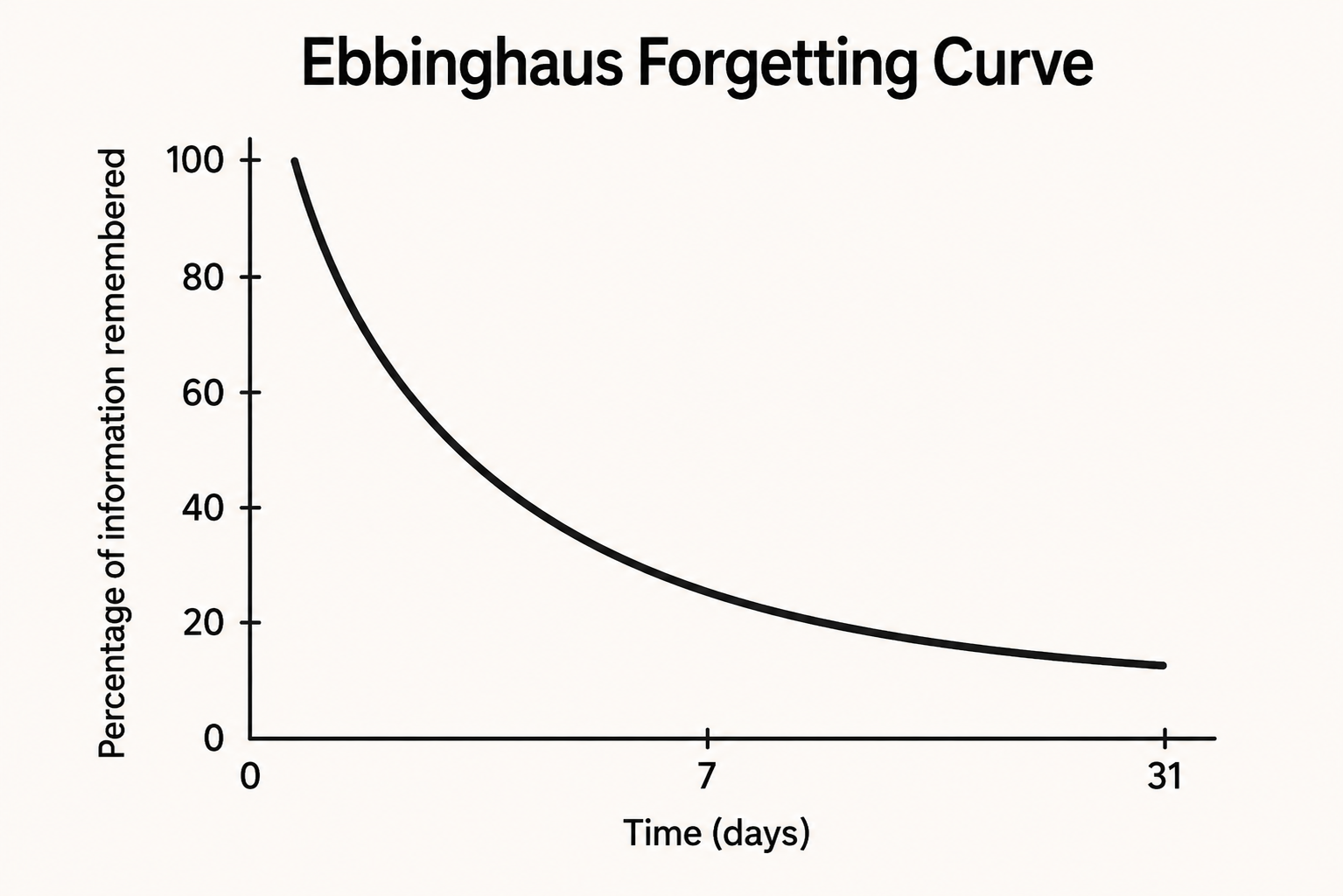
The image above shows the so-called forgetting curve (or Ebbinghaus curve), from which we can see that after 1 hour we forget about half (!), after 7 days almost three quarters, and so on.
This means that by the second school period, students have already forgotten about half of everything they learned in the first period. And forgetting continues further… From this it logically follows: the sooner students begin reviewing the material, the less work they will have with learning.
(If you volunteer to wash the dishes after breakfast at home, you will have less work than if you wash them after lunch. What would a reasonable person choose? Will you take your car for repair as soon as it starts making suspicious noises, or will you wait until it breaks down in the middle of the highway? In which case will you pay a higher price?)
That is why homework exists: to encourage students to review material as quickly as possible, before too much of it is forgotten—otherwise they would have to start almost from the beginning, while the amount of material keeps increasing every day.
Now—back to work. Teachers will continue to assign homework for the benefit of students; and parents will continue (or even more consistently) to encourage their children to regularly and responsibly complete their tasks, for their own good. After all, we all want these children to one day develop good work habits that will enable them to perform well in their jobs and responsibly care for their future families, and eventually also their (then elderly) parents.
I wish you a lot of patience and perseverance, dear parents. With your good example, children will gradually adopt these qualities as well.