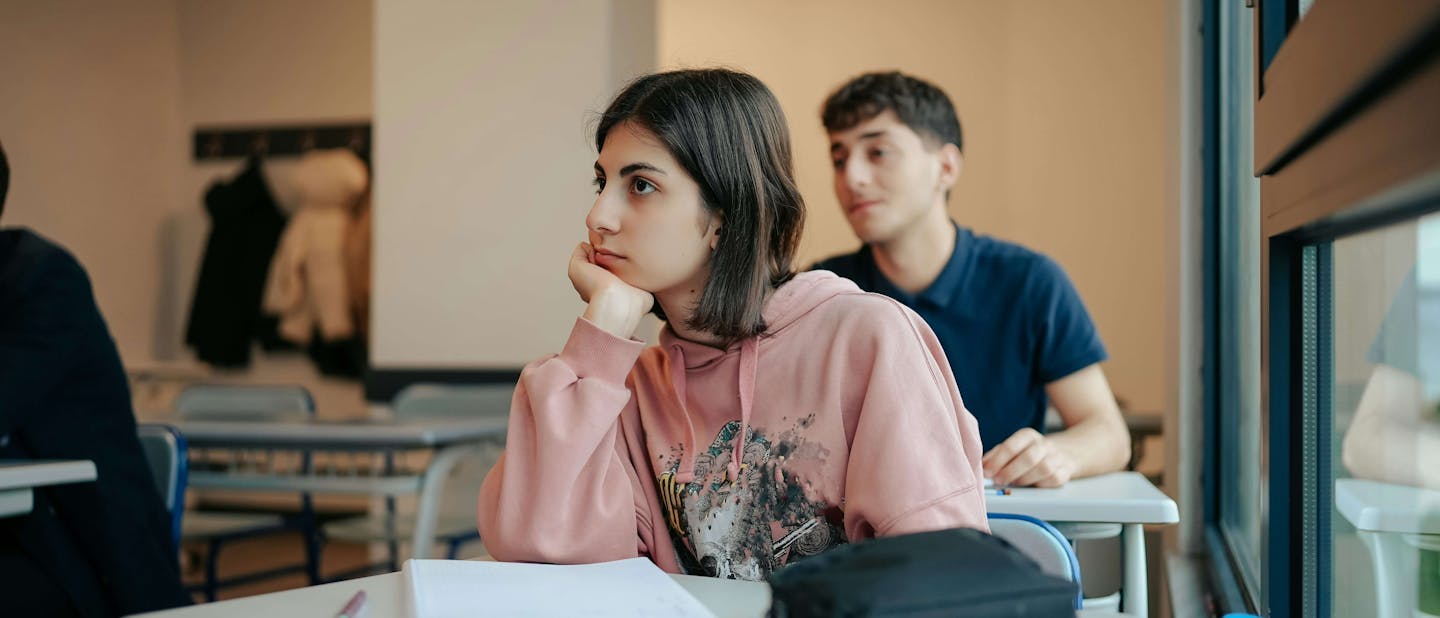
"Back in our day, none of us had any help at school, yet we still finished our education and grew up to be normal adults." We often hear statements like this from parents who, in today’s world, watch with confusion as their children increasingly seek out counselors, psychologists, or even psychiatrists. But the world is no longer what it used to be. Lifestyles, social dynamics, exposure to information, and even childhood itself have changed. Instead of spending time in nature and playing freely, children are exposed to screens, constant comparisons, and high expectations. Today’s society is increasingly aware of the importance of mental health, which is undoubtedly positive, but at the same time reveals numerous struggles that were often suppressed or ignored in the past.
The Rise of Mental Health Issues Among Children: Facts and Factors
Research shows that even before the COVID-19 pandemic, children’s mental health had become a global concern. According to data from the U.S. Centers for Disease Control and Prevention, one in five children between the ages of 3 and 17 has been diagnosed with a mental, behavioral, or developmental disorder. The pandemic has further worsened children’s mental health. School closures, isolation from peers, the breakdown of routines, and increased stress within families have robbed children of their sense of security and predictability. The World Health Organization reports that during this time, the global prevalence of anxiety and depression has increased by more than 25%.
Today’s children are growing up in a digital world dominated by smartphones, social media, and constant connectivity. Despite certain advantages, such as access to information and creative expression, excessive screen time is linked to sleep disturbances, impaired concentration, increased anxiety, and depression.
In addition to the digital influence, parenting styles have also changed significantly. Today, parents are more overprotective, often out of fear of the dangers portrayed by the media. The result is a lack of spontaneous, even “risky,” play, which is crucial for the development of self-confidence, social skills, and conflict-resolution abilities. Instead of climbing trees, children sit on the couch; instead of riding their bikes down the street, they scroll through their phones. Research shows that prolonged exposure to verbal abuse, such as belittling, yelling, or sarcasm, significantly impacts children’s mental health and can increase the risk of developing mental disorders in adulthood by more than 60%. Some data even suggest that the impact of such behavior may be comparable to or even greater than that of physical punishment.
It is important not to judge children through the lens of our own childhood. The world in which today’s children are growing up is in many ways incomparable to the world of 20 or 30 years ago. The pace of change, information overload, and the complexity of challenges are significantly higher today. It is crucial for parents to understand that vulnerability is not a failure, but a natural response to a world that can be too fast, too loud, and too demanding.
Five concrete ways parents can help
Balanced screen time – Establish clear family rules about screen use. Set aside device-free times—such as during meals, before bed, or on weekends. Involve your children in creating these rules.
Encourage outdoor play and physical activity – Children need physical activity and free play, which fosters creativity and physical development.
Compassionate and respectful communication – Instead of orders and criticism, try using an understanding tone and open-ended questions.
Reducing social pressures – Talk about the influence of social media and build authentic relationships.
Seek support when you need it – Early intervention is key; seek professional help at the first signs of distress.
In closing: let’s not look to the past; let’s build the future
Children’s mental health struggles are not a sign of weakness, but a reflection of a world that has changed at an extraordinary pace. Our task is not merely to prepare them to get through school, but to give them the tools and support they need to live life to the fullest.