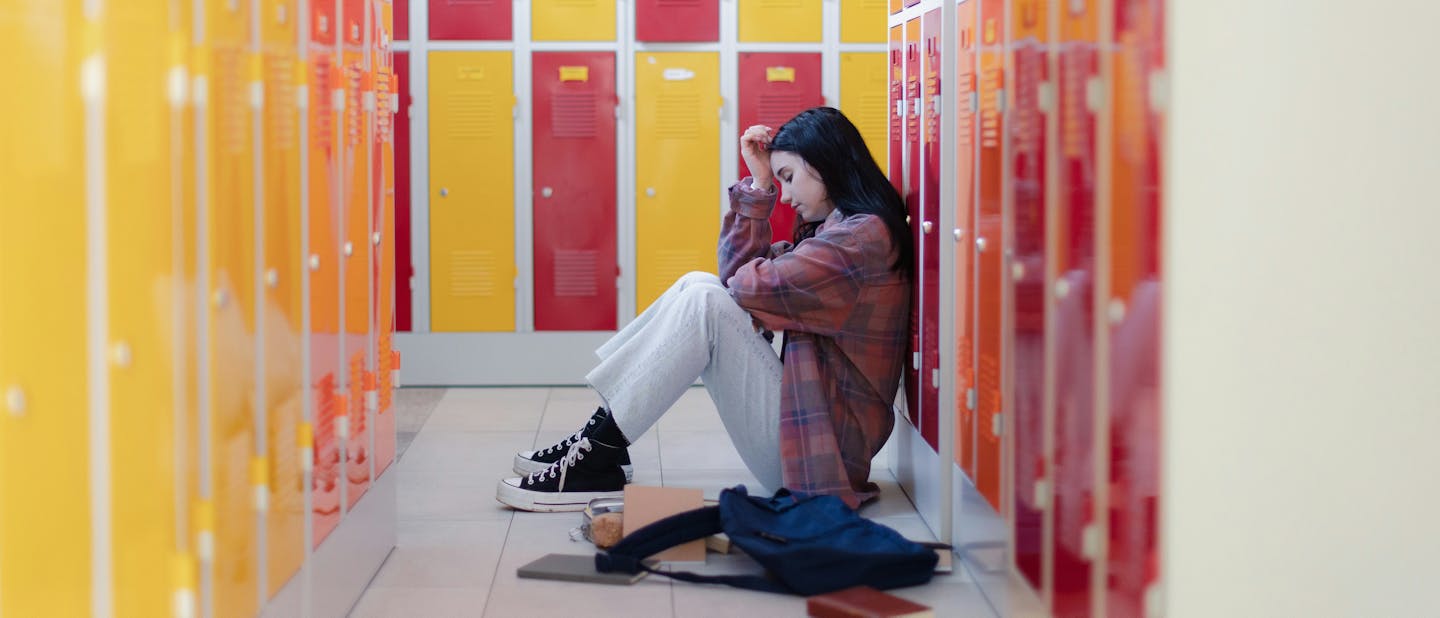
When children or adolescents withdraw into themselves, become easily irritable, have difficulty concentrating, experience frequent physical pain, avoid school or family activities, lack energy or motivation for their hobbies, or have problems with sleep or eating—these signs may (but do not necessarily) be related to depression, which can manifest in this way at this age.
Children often lack the words to express their feelings and thoughts, and sometimes they also lack insight into their own inner experiences. Depression in children and adolescents often goes unrecognized because its signs differ from those seen in adulthood. Since depression significantly reduces a person’s ability to cope with everyday life, it is important that parents and professionals who work with children are aware of these signs, so they can recognize them and address them appropriately with the child.
What is depression in children and adolescents?
Depression is a common mental health disorder characterized by persistent feelings of sadness, unhappiness, loss of interest in activities the person once enjoyed, irritability or anger, and other accompanying symptoms such as feelings of hopelessness, negative thoughts, poor self-image, guilt, lack of energy, loss of appetite, or sleep disturbances. There may also be problems with concentration, thoughts of death, or self-harming behavior. If these changes in behavior and mood last more than two weeks, represent a shift from the child’s previous functioning, and affect their mood, thinking, body, and behavior, they may indicate depression. Depression occurs in about 1–2% of children and rises to around 5% in adolescents. Its onset is often triggered by a major stressful event, such as illness or the death of a loved one, parental divorce, or another form of loss.
When recognizing signs, it is crucial to discuss observations with others who are in contact with the child. If parents notice concerning behavior at home, it is helpful to speak with the child’s teacher to understand how the child behaves in another environment and gain a fuller picture. Children sometimes behave differently at home than elsewhere, which may be related to family dynamics and rules. If the signs persist and interfere with the child’s normal functioning, it is important to seek professional help.
Depression – signs and symptoms in children and adolescents
How depression presents depends on the child’s age and developmental stage. In adolescence, it can sometimes be difficult to distinguish depression from a “transitional crisis,” where behavioral and emotional changes occur as part of normal development. Temporary or even longer-lasting mood changes can be part of growing up and not necessarily indicate a depressive disorder. This is why it can sometimes be hard to tell the difference.
Depression in preschool children
In preschool children, depression may appear as reduced interest in play, or through play themes that are negative or self-destructive. There may be temper outbursts, irritability, frequent crying, apathy, withdrawal from peers, and even slowed physical development.
Depression in school-aged children
Younger school children with depression often report physical pain (including muscle pain), may cry or scream more frequently in response to situations, and show reduced interest in activities they previously enjoyed.
Older school children may express low self-esteem, feelings of guilt or hopelessness, excessive boredom, a desire to escape, or fear of death. In relationships, they may have frequent conflicts with peers, even over minor issues, withdraw socially, struggle with concentration, seem less lively than before, and may show a decline in academic performance.
Interestingly, depression in children often co-occurs with other conditions, such as attention-deficit/hyperactivity disorder (ADHD), anxiety disorders, or behavioral disorders. Therefore, it is important to gather information from multiple sources to form an accurate understanding of the situation.
Depression in adolescents
In adolescence, additional signs may appear. Along with increased irritability, impulsivity, behavioral changes, and possible academic decline, there may be sleep disturbances (too much sleep or difficulty sleeping) and appetite changes (weight loss or gain). Adolescents may seem tired, inattentive, prone to negative thinking, and highly sensitive to rejection or criticism. Anxiety and difficulty making decisions are also common. Some adolescents with depression may misuse alcohol or drugs. In more severe cases, suicidal thoughts or behaviors may occur, as is also seen in adults with depression. Depressed adolescents often withdraw from activities, show a lack of motivation, and, like younger children, may report physical complaints.
When and how to seek help
In practice, parents often seek professional help when they notice that their child’s mood, behavior, or functioning significantly deviates from what is typical, and when they no longer feel capable of managing the situation on their own. This is completely understandable—long-term emotional distress in a child affects the entire family system and can be exhausting for other family members as well.
Depression in young people increases the burden on parents, so it is normal for parents to feel helpless, guilty, exhausted, or afraid. That is why it is important for parents to seek appropriate support and guidance for both themselves and their child. Early involvement of mental health professionals specializing in children and adolescents allows for a comprehensive assessment, planning of appropriate treatment, and strengthening of parental resources, which are a key part of the child’s recovery.