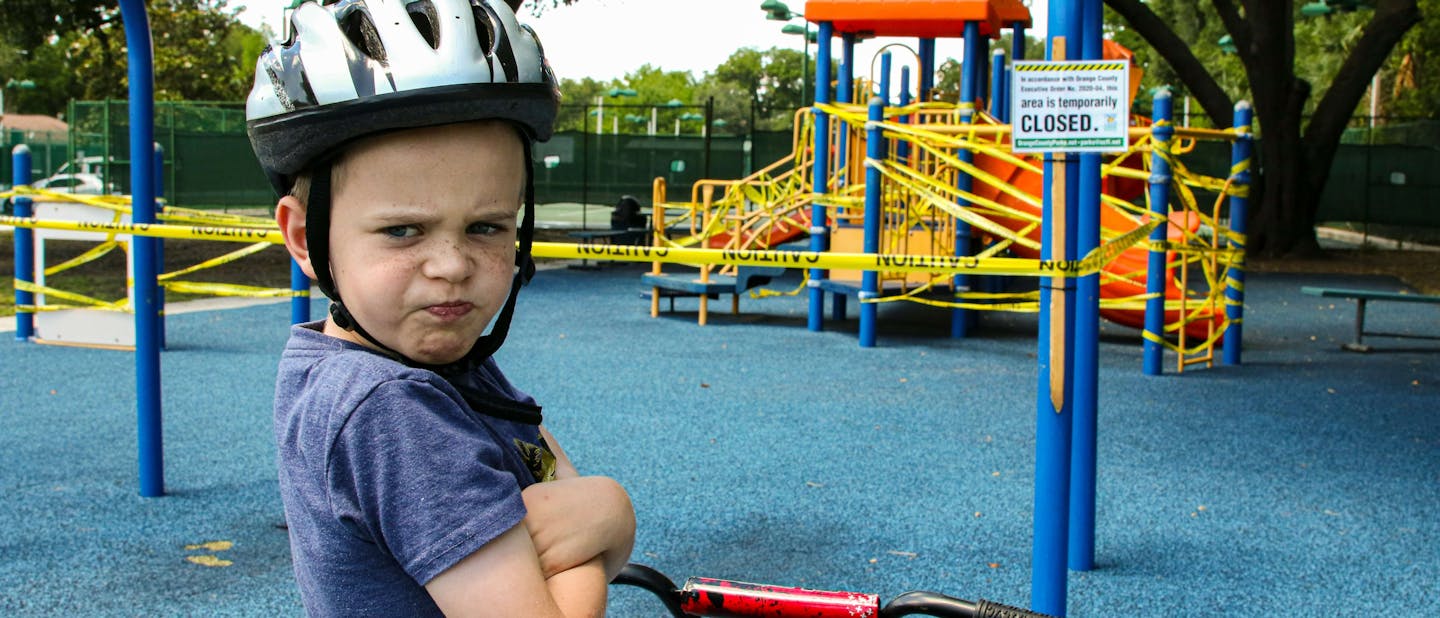
Anger is one of the most fundamental and natural emotions experienced by all of us—children, adolescents, and adults alike. However, when anger manifests as sudden, intense, or uncontrollable outbursts, it can be alarming for both parents and professionals.
Anger outbursts in children and adolescents are not a sign of being “spoiled” or “poorly parented.” More often, they reflect emotional distress, overwhelm, or developmental challenges that a child has not yet learned to express or regulate. To some extent, anger outbursts may also mirror family dynamics and the ways in which other family members manage their own emotions, as children learn a great deal through observation.
During childhood and adolescence, the brain undergoes rapid development. Emotions are experienced more intensely, impulses are stronger, and self-regulation skills are still maturing. As a result, anger outbursts are far more common than many adults realize. Rather than viewing them solely as problematic behavior, it is important to understand them as a form of communication.
Why Do Anger Outbursts Occur?
When we talk about sudden anger outbursts or even severe emotional meltdowns, we are referring to moments when a child or adolescent loses control over their behavior. This is not a conscious choice. It is a physiological response to overwhelming emotions, stress, or a perceived threat.
In Younger Children
Anger outbursts are often linked to brain regions that are still developing and are not yet capable of effectively regulating impulses. A child may experience frustration because they cannot express what is bothering them or because they do not understand why something is happening.
When factors such as fatigue, hunger, changes in routine, or sensory sensitivities are added to the mix, even a small trigger can lead to a significant emotional outburst.
In these moments, the child is not “choosing” anger—the anger is happening to them. Their body becomes flooded with emotions that they do not yet have the skills to manage or calm.
In Adolescents
Anger outbursts often have a different underlying cause. Hormonal changes, peer pressure, academic demands, identity development, and feelings of being misunderstood can create intense internal tension.
An adolescent who appears rebellious or aggressive on the outside is often feeling frightened, overwhelmed, or vulnerable on the inside. Anger can sometimes feel safer to express than sadness, fear, disappointment, or loneliness.
This is why anger outbursts in teenagers can appear suddenly, intensely, and seemingly without reason—leaving parents feeling confused and uncertain about how to respond.
Neurological Sensitivity and Overload
Some children and adolescents experience anger outbursts due to difficulties with concentration, attention regulation, or transitioning between tasks. When the nervous system becomes overloaded, anger may emerge as a response to feelings of chaos or loss of control.
In these situations, the outbursts are not intentionally exaggerated. Rather, they are often a consequence of neurological sensitivity that the child has not yet learned to manage effectively.
What Happens in the Child’s Body During an Anger Outburst?
When a child experiences a strong emotion, the amygdala—a part of the brain involved in emotional processing and survival—becomes activated.
This triggers the body's fight-or-flight response, releasing stress hormones throughout the system.
During this state:
The child cannot think logically.
They are unable to fully process explanations or reasoning.
They cannot simply “calm down on command.”
Their ability to control behavior is significantly reduced.
This means that anger outbursts are not simply acts of defiance or stubbornness, but rather a physiological response to an overwhelmed nervous system.
Only once the body begins to calm can meaningful conversation, reflection, and learning take place.
When Are Anger Outbursts More Than a Typical Part of Development?
Most children experience occasional anger outbursts as a normal part of development. However, frequent, intense, or seemingly unpredictable outbursts may indicate that additional support is needed.
It may be helpful to seek professional guidance if:
Outbursts persist over time and become increasingly intense.
The child appears disconnected during the outburst and is unable to respond to others.
The outbursts involve aggression toward themselves or others.
Anger episodes occur without an obvious trigger.
The outbursts significantly affect family life, relationships, or school functioning.
The child experiences intense shame, guilt, or exhaustion afterward.
The outbursts occur alongside difficulties with concentration, sleep, or anxiety.
Why Is It Important to Understand Rather Than Punish Anger Outbursts?
When adults interpret anger outbursts as simply “bad behavior,” they often respond with punishment, criticism, lectures, or withdrawal. However, a child or adolescent in the middle of an anger outburst does not need punishment. They need co-regulation, safety, and understanding. Anger outbursts are often a cry for help rather than an attempt to manipulate others. They communicate that something feels too overwhelming, too fast, too difficult, or too intense for the child to manage. When we punish a child during these moments, we unintentionally send the message that they are alone when they need support the most. Their body is already flooded with stress hormones, their nervous system is overwhelmed, and their sense of control has diminished. Punishment adds another layer of fear, shame, or guilt to an already distressing experience. Rather than helping the child regain control, it can intensify their emotional storm. A child does not need a counterattack—they need an anchor. They need an adult who can remain calm, provide emotional regulation, and communicate: “You are safe, even when your emotions feel overwhelming.” Anger is not the enemy. It is a message. When we learn to understand that message, we can help children develop healthier ways of coping with emotions, stress, and life's challenges.
In our next article, “When Anger Becomes Too Big for a Child to Hold: How Parents Can Help During Anger Outbursts,” we will explore practical strategies for responding during an outburst and ways to strengthen a child's long-term self-regulation skills